Yingqing Lu, Gitanjali Sharma, Chiara Da Pieve, Gabriela Kramer-Merek, Philip W Miller, R Michael van Dam
Abstract:
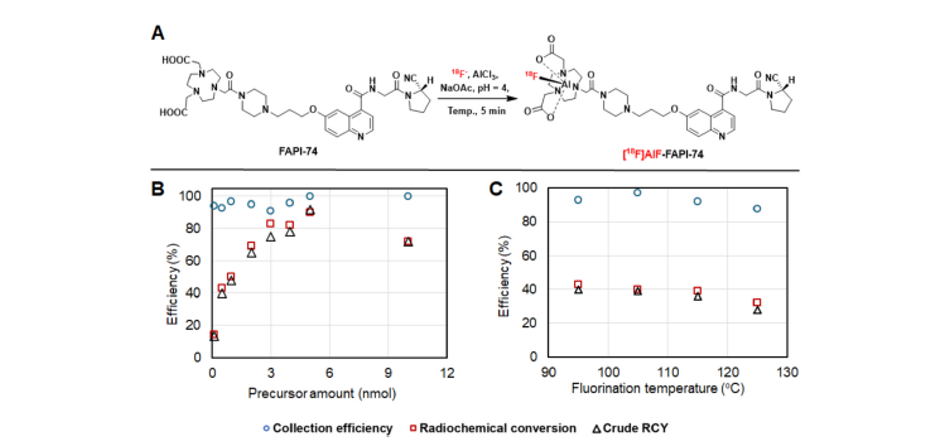
The preparation of 18F-labeled biomolecules for PET imaging is often challenging due to complex synthesis protocols and the short half-life of F-18 (109.8 min). The aluminum-[18F]fluoride ([18F]AlF) method offers a straightforward, efficient route for radiofluorinating biomolecules, with demonstrated utility in both preclinical and clinical imaging. However, one technique’s flaw is the mismatch between the typical microvolume conditions required for high-yield [18F]AlF chelation and the milliliter-scale operation of commercial automated radiosynthesizers. To address this shortcoming, we leverage microscale radiochemistry techniques and report the first fully-automated, droplet-based production of [18F]AlF-labeled compounds using a compact and cost-effective platform. The optimized process was first achieved using a NODA analogue (NODA-Tz) as a model substrate at a 15 μL reaction scale, and was subsequently applied to the fully automated synthesis of the clinically-relevant PET probe [18F]AlF-FAPI-74 which targets fibroblast activation protein expressed in most cancers. [18F]AlF-FAPI-74 (n = 3) was obtained with high radiochemical yield (RCY, 75 ± 5%), radiochemical purity (RCP, >99%), activity yield (67 ± 4%), and apparent molar activity (A m , 358-482 GBq/μmol). Starting from 2.6-3.5 GBq of [18F]fluoride, the final product quantity (1.8-2.4 GBq) was sufficient for multiple patient doses. Compared to the conventional vial-based methods, the microdroplet approach showed significant improvements including reduced synthesis time (19 ± 1 min vs. 31 min), higher yield, and reduced precursor consumption (5 nmol vs. 80 nmol). This work demonstrates the feasibility and advantages of translating [18F]AlF chemistry to a microdroplet platform, enabling more efficient radiotracer production and broader clinical accessibility.
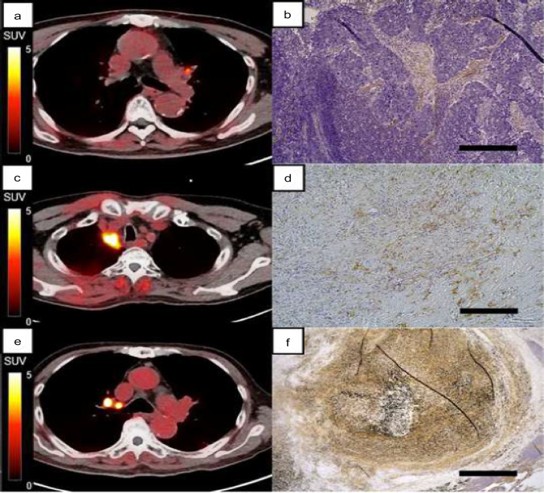
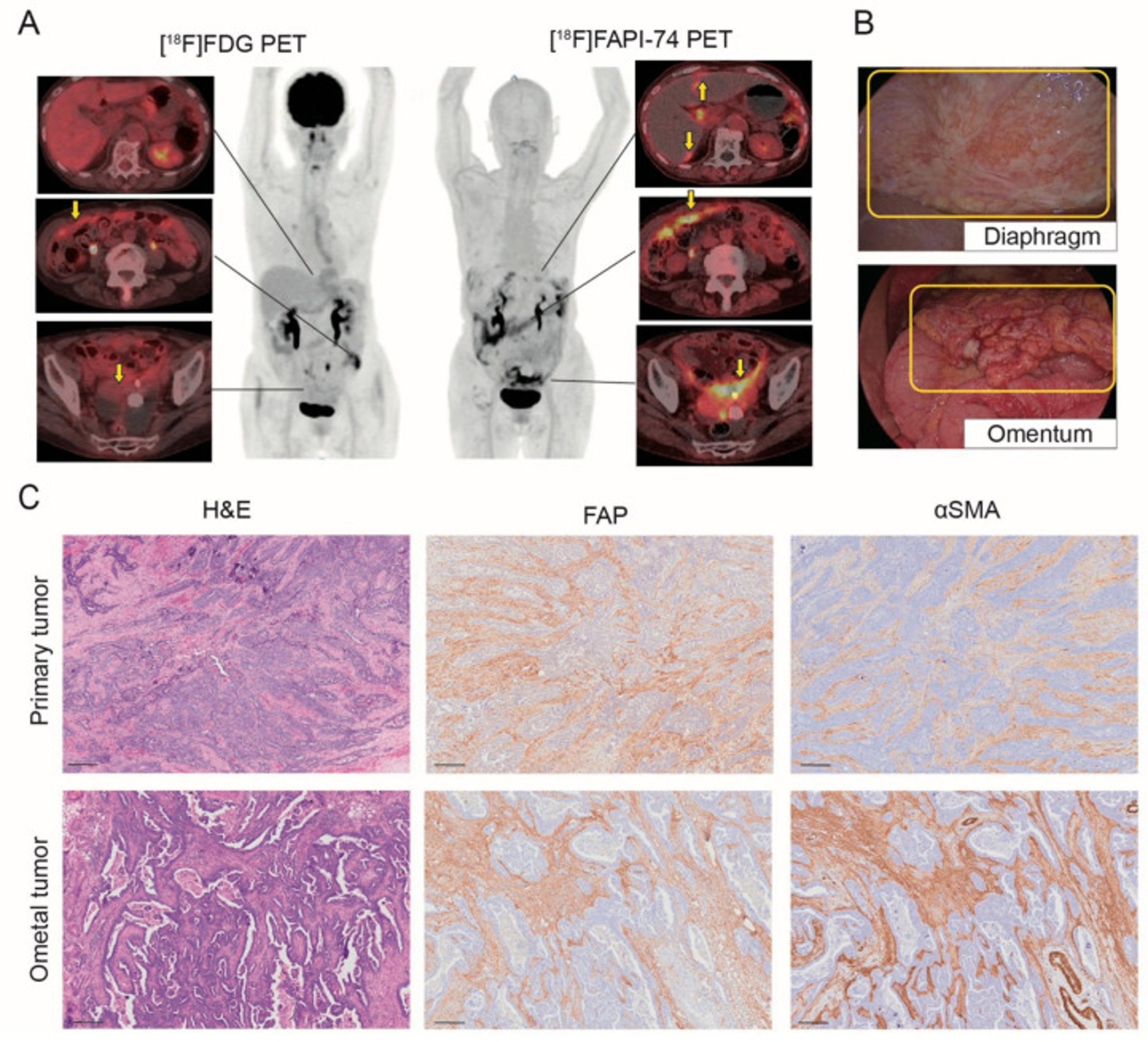
![[18F]FAPI-74 PET for Preoperative Assessment of Peritoneal Dissemination in Ovarian Cancer: A Case Series with Surgical and Histopathological Correlation](https://sofie.com/wp-content/uploads/2026/08/18FFAPI-74-PET-for-Preoperative-Assessment-of-Peritoneal-Dissemination-scaled-500x383.jpg)
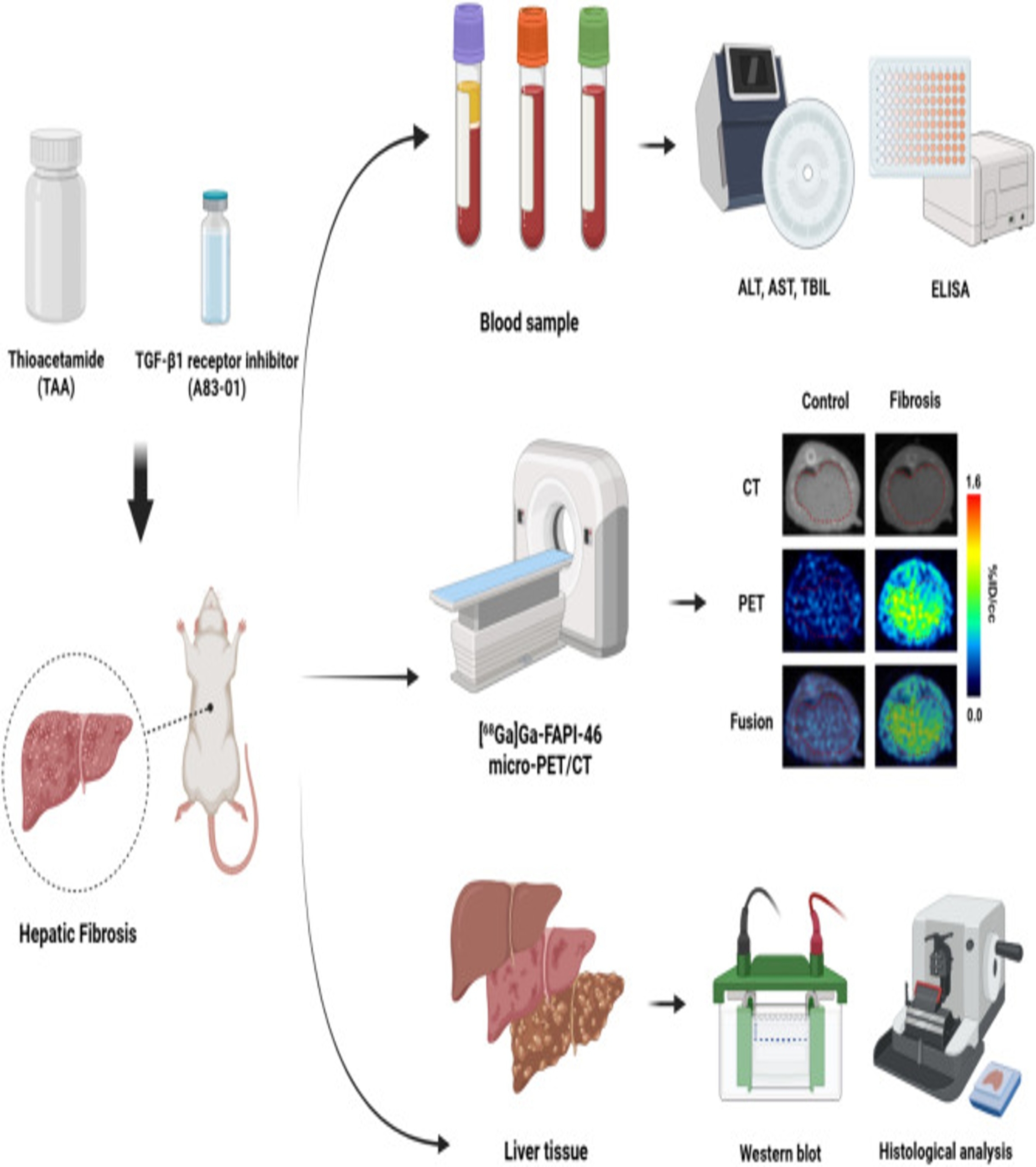
![[68Ga]Ga-FAPI-46 PET enables non-invasive monitoring of hepatic fibrosis progression during TGF-β inhibition](https://sofie.com/wp-content/uploads/2026/08/68GaGa-FAPI-46-PET-enables-non-invasive-monitoring-of-hepatic-fibrosis-scaled-500x383.jpg)
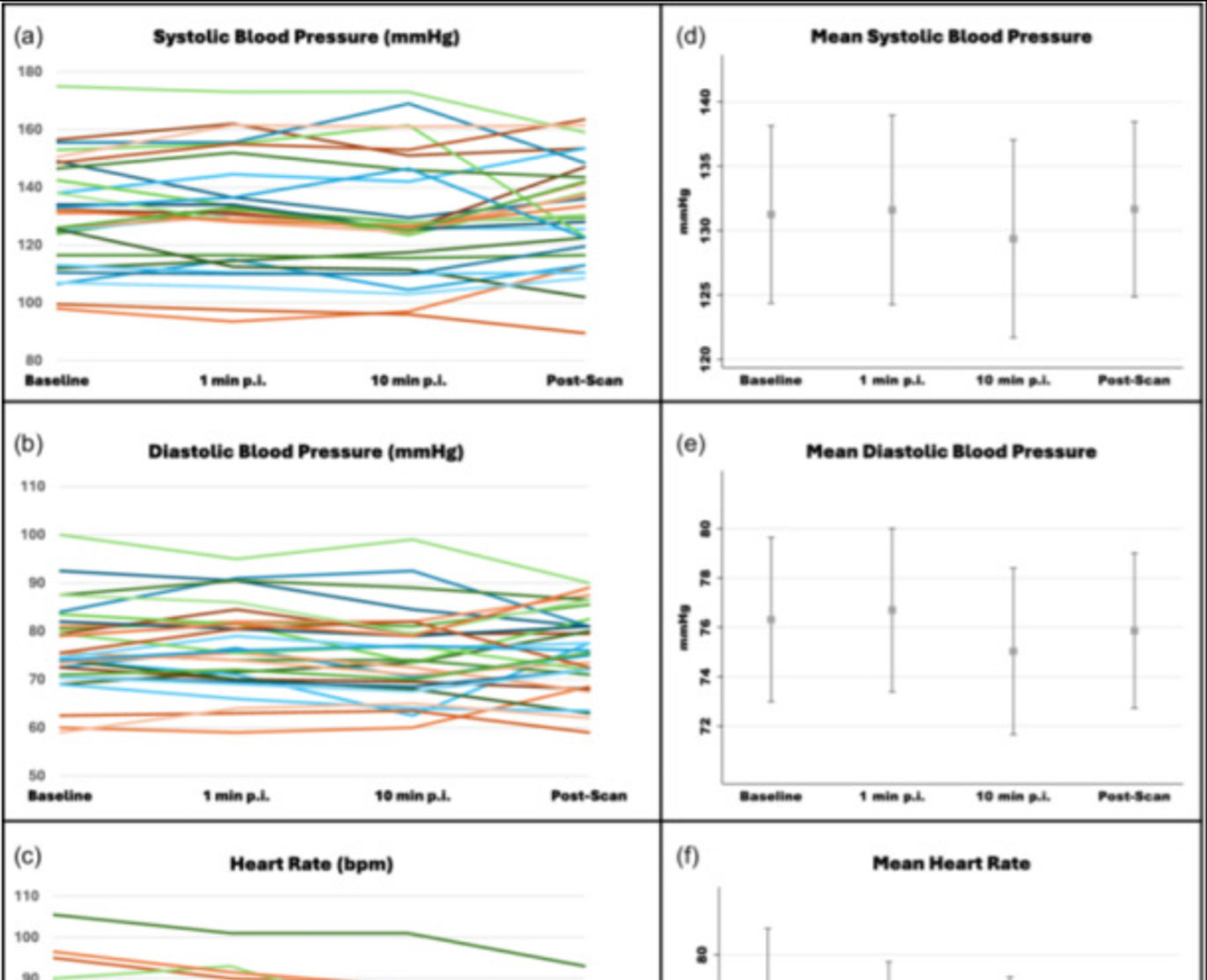
![Safety of [68Ga]Ga-FAPI-46 PET/CT including hemodynamic measurements and patient-reported outcomes in cancer patients](https://sofie.com/wp-content/uploads/2026/05/NewImage-500x383.jpg)
![A 3D co-culture model with fibroblast-restricted FAP expression for cancer therapy using [212Pb]Pb-FAPI-46](https://sofie.com/wp-content/uploads/2026/06/A-3D-co-culture-model-with-fibroblast-500x383.png)