Morten Bentestuen, Camilla Sylvest, Svend B Jensen, Lara R Soro, Aage Knudsen, Morten Ladekarl, Ole Thorlacius-Ussing, Wolfgang P Fendler, Helle D Zacho
Introduction aim:
Fibroblast activation protein inhibitor (FAPI) has demonstrated promising oncological diagnostic performance. Although no adverse events (AEs) have been previously reported, a formal safety evaluation of FAPI PET/CT is lacking. This study aimed to assess the safety and tolerability of [⁶⁸Ga]Ga-FAPI-46 PET/CT, with a focus on hemodynamic parameters, AEs, and patient-reported discomfort.
Materials and methods:
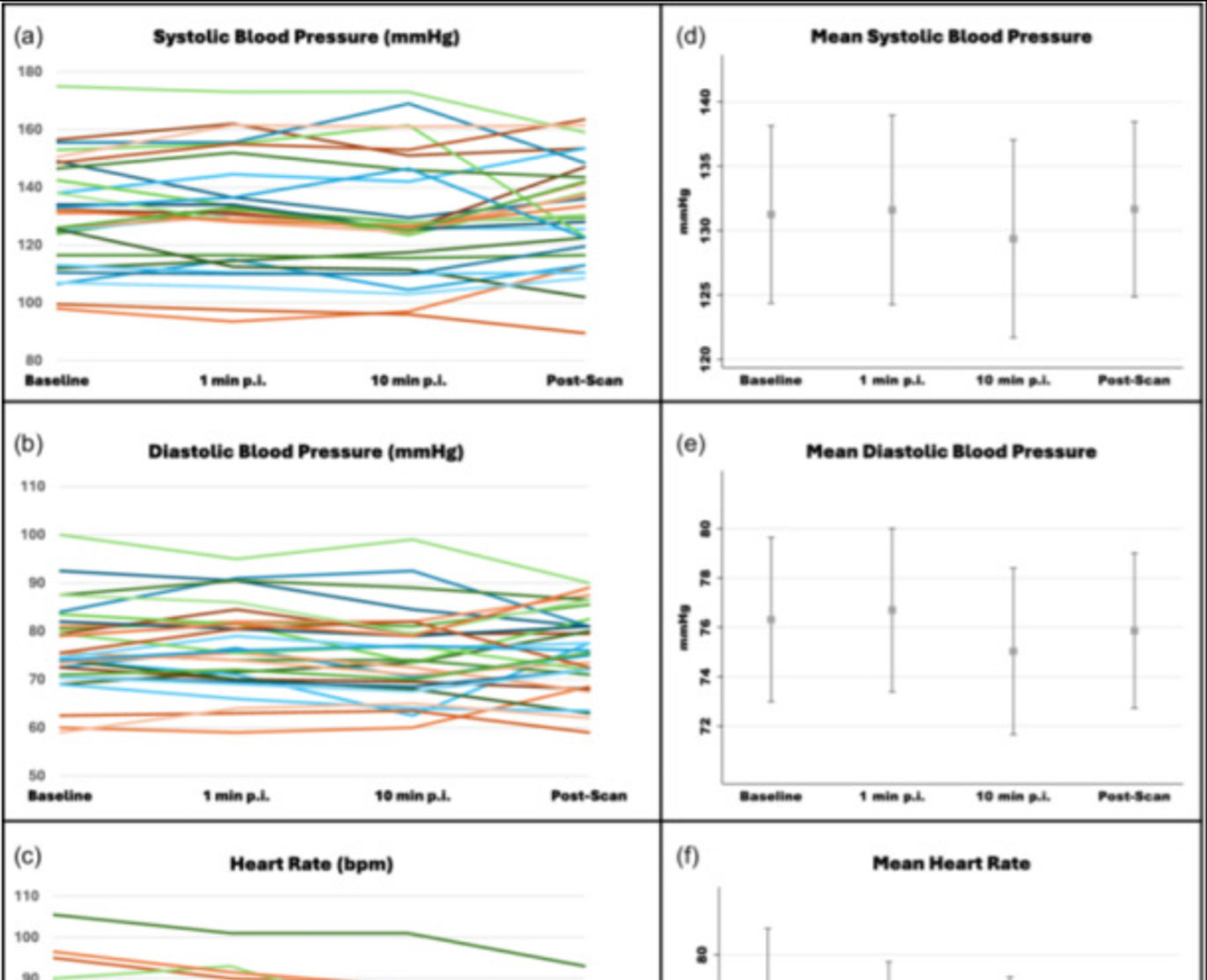
Participants were included from two ongoing prospective diagnostic trials: (1) FAPI PET/CT in ovarian cancer (EU CTIS no. 2023-505938-98-00) and (2) FAPI PET/CT in gastric and gastroesophageal junction cancer (EU CTIS no. 2023-505916-40-01). A dose of 150-250 MBq [⁶⁸Ga]Ga-FAPI-46 was administered, and low-dose, non-contrast CT was performed. Hemodynamic parameters, including systolic and diastolic blood pressure (BP) and heart rate (HR), were measured at baseline, 1-min post-injection (p.i.), 10 min p.i., and post-scan. Additionally, potential AEs and discomfort were assessed at these timepoints and 1 day p.i., and participants were instructed to report events. AEs were graded according to the Common Terminology Criteria for Adverse Events version 5.0.
Results:
Thirty participants were included. No patient reported AEs or discomfort attributable to [⁶⁸Ga]Ga-FAPI-46, and no significant changes in mean systolic or diastolic BP were observed; however, three patients experienced increases in systolic BP classified as AEs. A clinically non-relevant but statistically significant (p < 0.01) decrease in HR (from 77 bpm at baseline to 73 bpm at post-scan) was observed.
Conclusion:
[⁶⁸Ga]Ga-FAPI-46 PET/CT is well tolerated with no immediate patient-reported discomfort or clinically relevant hemodynamic AEs. The observed decrease in HR from baseline to post-scan likely reflects prescan nervousness.
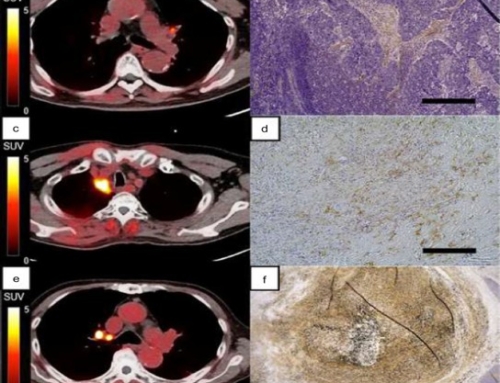
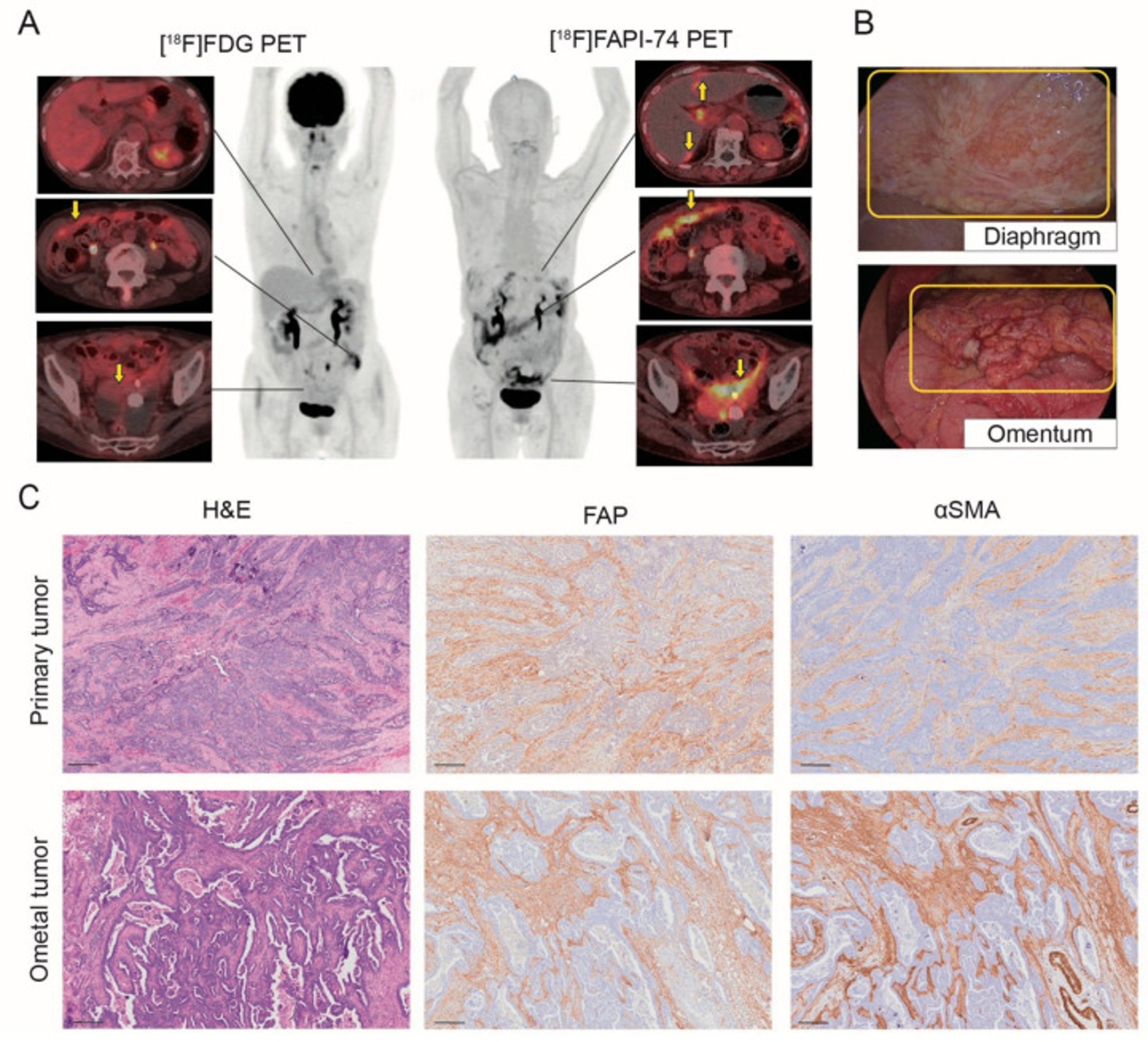
![[18F]FAPI-74 PET for Preoperative Assessment of Peritoneal Dissemination in Ovarian Cancer: A Case Series with Surgical and Histopathological Correlation](https://sofie.com/wp-content/uploads/2026/08/18FFAPI-74-PET-for-Preoperative-Assessment-of-Peritoneal-Dissemination-scaled-500x383.jpg)
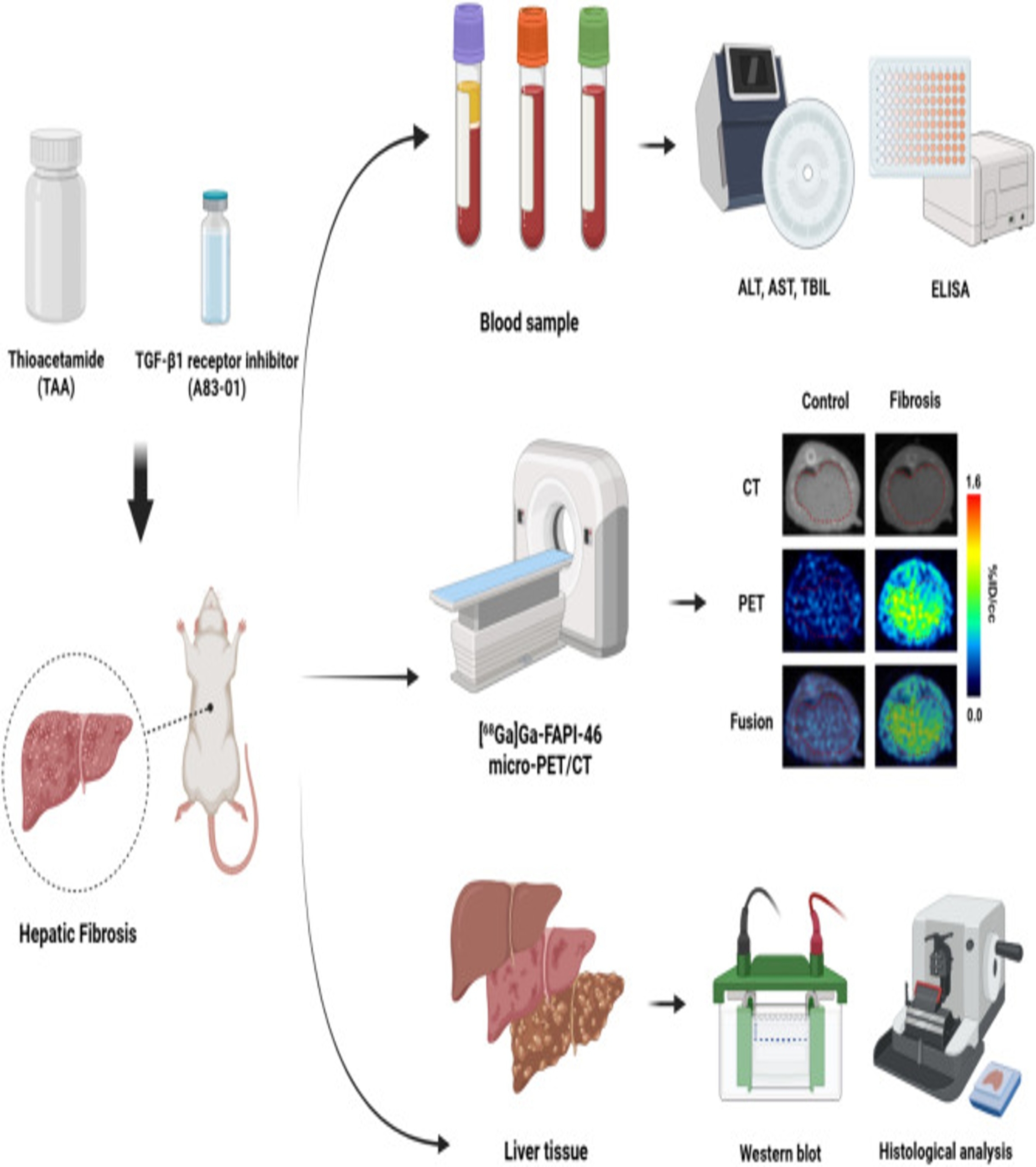
![[68Ga]Ga-FAPI-46 PET enables non-invasive monitoring of hepatic fibrosis progression during TGF-β inhibition](https://sofie.com/wp-content/uploads/2026/08/68GaGa-FAPI-46-PET-enables-non-invasive-monitoring-of-hepatic-fibrosis-scaled-500x383.jpg)
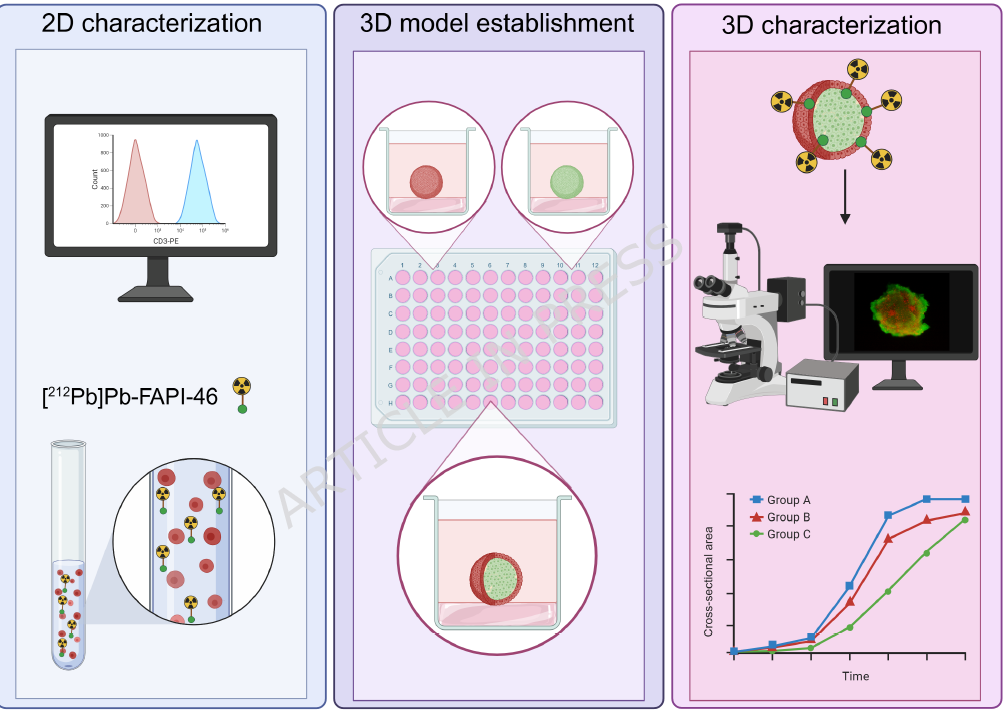
![A 3D co-culture model with fibroblast-restricted FAP expression for cancer therapy using [212Pb]Pb-FAPI-46](https://sofie.com/wp-content/uploads/2026/06/A-3D-co-culture-model-with-fibroblast-500x383.png)